Community
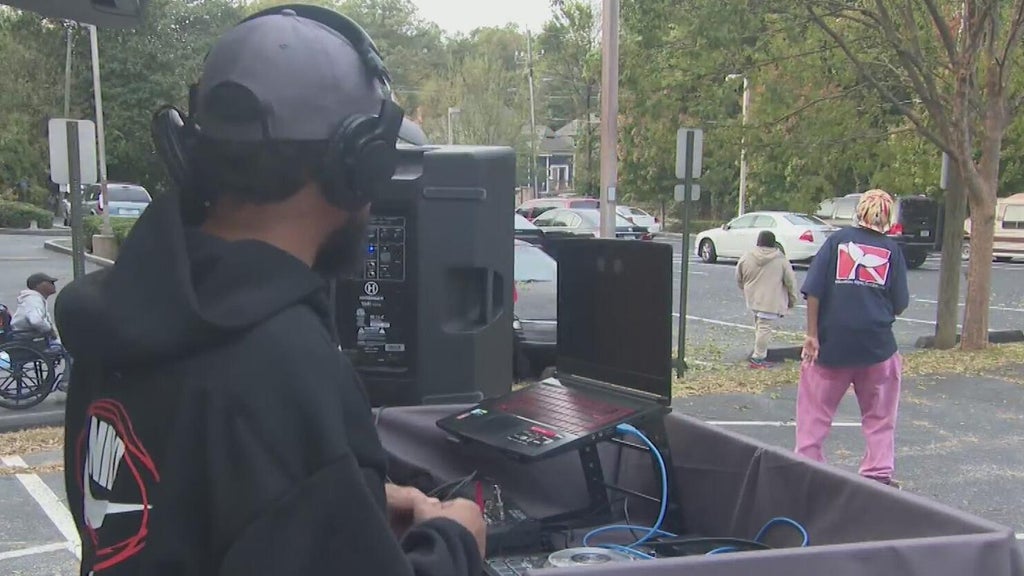
DJs pump up metro Atlanta at polling places
By Margaret
Advertisement · Why this ad?
Jared Lawson, a graduate of the University of Alabama, has over five years of experience in community reporting, previously working for a neighborhood news site in Birmingham. He is dedicated to uncovering stories that connect and uplift the residents of Macon.
More from Jared →
As the sun began to set over Macon, the air was thick with anticipation. Families gathered in living rooms, friends huddled around kitchen tables, and community members filled local cafes, all eyes glued to their screens as the 2026 Georgia General Assembly election results began to roll in. The excitement was palpable, a testament to the deep-rooted passion residents have for their community and the future of Central Georgia.
The 2026 General Assembly elections saw a vibrant mix of candidates vying for critical seats in both the Georgia House and Senate, representing the diverse voices of Central Georgia. From Bibb County to Houston County, candidates campaigned vigorously, sharing their visions for education, healthcare, and economic development. The stakes were high, as these races would shape the legislative landscape for years to come.
Among the notable races was the contest for the House District 138 seat, where incumbent Rep. Dale Washburn faced off against challenger Jessica Smith. Washburn, a longtime advocate for local businesses, emphasized his commitment to job creation, while Smith focused on healthcare access and education reform. Local residents expressed their opinions on both candidates, with many praising Washburn's track record while others were inspired by Smith's fresh approach.
In the Senate race for District 26, incumbent Sen. David Lucas sought to retain his seat against a spirited challenge from Bibb County Schools. Lucas’s experience and deep ties to the community were pitted against Johnson’s fresh perspective and innovative ideas for local governance. Voters were particularly interested in how their choices would impact issues like transportation infrastructure and environmental policies, both significant concerns for many in the region.
As the results began to emerge, community engagement was at an all-time high. Local organizations worked tirelessly to ensure that residents were informed and prepared to vote. The Georgia Votes initiative played a pivotal role in educating voters about the importance of their participation in the electoral process. Volunteers from various nonprofits and civic groups organized workshops and information sessions to demystify the voting process, making it accessible to everyone.
Families came together to discuss the implications of the election results. Conversations flowed about how the outcomes would affect their lives, from education policies impacting their children to healthcare decisions that could influence their family's wellbeing. The sense of community was evident as neighbors shared their hopes and concerns. Local cafes became informal town halls, where discussions about the future of Central Georgia took center stage.
This election cycle, voter turnout in Central Georgia was impressive, with many precincts reporting higher participation rates than in previous elections. The Bibb County Board of Elections noted an increase in early voting, which allowed for more residents to cast their ballots conveniently. This surge in civic engagement reflects a growing awareness among residents of the importance of their voices in shaping local policies. Community leaders and activists celebrated the turnout as a sign that residents are increasingly invested in their local government.
Local schools, such as Bibb County Schools, served as polling places, further reinforcing the community’s commitment to fostering a culture of participation among younger generations. Students, many of whom were first-time voters, expressed excitement about being part of the democratic process. Teachers reported that students were more engaged in discussions about government and civic duty, highlighting the positive impact of incorporating civic education into the curriculum.
The candidates, too, were energized by the turnout and the palpable enthusiasm from the community. In a statement after the results began to come in, Rep. Washburn expressed gratitude for the support he received. “It’s an honor to represent the people of this district,” he said. “I am committed to continuing our work on economic growth and ensuring that our schools are adequately funded.” His supporters, a diverse group of local business owners and educators, rallied behind him, emphasizing the importance of stable leadership during uncertain times.
On the other hand, Jessica Smith reflected on her campaign journey, stating, “While the results may not have been what we hoped for, I am proud of the conversations we started about healthcare and education. This is just the beginning.” Many of her supporters, particularly young voters, expressed their determination to keep advocating for the issues she championed, suggesting that her campaign may have sparked a new wave of political activism in the area.
Sen. Lucas shared his thoughts on the importance of collaboration, stating, “No matter the outcome, our focus should always be on working together for the betterment of our community. I look forward to continuing my work with all stakeholders to ensure we meet the needs of our constituents.” His commitment to bipartisanship resonated with voters who are weary of political polarization.
The impact of these elections extends beyond the immediate results. The conversations sparked during the campaign have laid the groundwork for future community initiatives. Local organizations, such as the Macon Chamber of Commerce, are already planning forums to address key issues raised during the election, ensuring that the voices of residents continue to be heard. These forums will not only focus on the outcomes but will also explore the ongoing challenges that the community faces, such as affordable housing and job training programs.
Moreover, the educational institutions in the area are stepping up to engage students in civic education, emphasizing the importance of understanding the legislative process. Schools like Bibb County Schools are incorporating lessons about democracy and government into their curricula, preparing the next generation of leaders. With programs designed to involve students in local governance, educators hope to instill a sense of responsibility and civic duty that lasts a lifetime.
As Central Georgia looks toward the future, the results of the 2026 General Assembly elections will undoubtedly shape the region for years to come. With a renewed sense of community engagement and a commitment to addressing pressing issues, residents are hopeful for positive changes ahead. Local leaders are already strategizing on how to implement policies that reflect the needs and desires of their constituents. The collaboration between elected officials and community members will be crucial in navigating the challenges that lie ahead.
In conclusion, the 2026 General Assembly elections were not just about the candidates or the results; they were about the people of Central Georgia coming together to advocate for their future. As families continue to discuss the implications of the election, one thing remains clear: the heart of this community beats stronger than ever, united in the pursuit of a brighter tomorrow. The ongoing dialogues and initiatives sparked by this election cycle will likely serve as a foundation for future civic engagement, ensuring that the voices of Central Georgians are not just heard but actively shape the policies that affect their lives.


